Asian Stocks Face Pressure as AI Trade Doubts Return
Asian Stocks Face Pressure as AI Trade Doubts Return
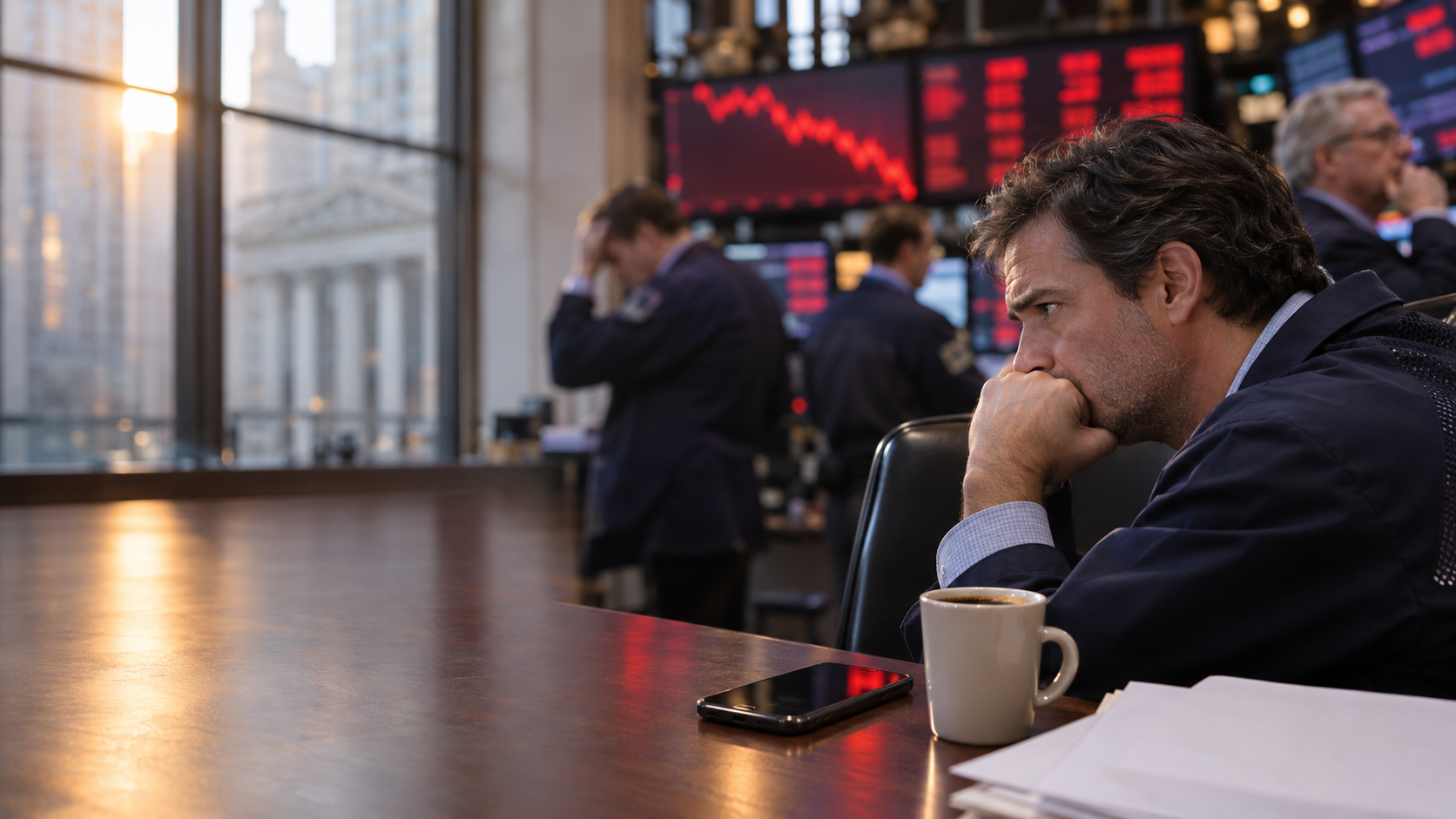
Asian stocks face renewed pressure after doubts about the artificial intelligence trade triggered a technology selloff on Wall Street. The weakness could weigh on Asia-Pacific markets, where semiconductor manufacturers, hardware suppliers and other technology companies remain closely linked to expectations for sustained AI investment.
Bloomberg reported that Asian equities were expected to decline after concerns about the AI trade affected investor sentiment. The report followed a weak session for US technology stocks and declines among major AI beneficiaries. Source 1
Why the AI Trade Is Under Pressure
The market focus is shifting from the strength of AI demand to whether investor expectations have moved too far ahead of fundamentals. Investors are assessing whether earnings forecasts, valuations and capital-spending plans can support the gains recorded by AI-linked companies. Available reports identify renewed doubts but do not provide detailed earnings, valuation or company-guidance data.
This uncertainty can make technology stocks vulnerable to profit-taking. It can also affect suppliers, chipmakers and other momentum shares, even when local economic conditions remain unchanged. The key question for Asian markets is whether Wall Street’s technology weakness becomes a short-lived correction or develops into a broader reassessment of growth stocks.
Central questions include:
- Are AI-related earnings expectations too optimistic?
- Have technology shares moved ahead of their underlying fundamentals?
- Can companies maintain large investments in AI infrastructure?
- Will demand support current valuations?
These questions do not prove that the AI investment cycle has ended. They show why a change in sentiment can produce a sharp market reaction. High-growth companies often depend heavily on future earnings expectations, so share prices can fall even while businesses continue to expand.
Wall Street Weakness Creates Regional Spillover Risk
Wall Street was hit by a technology-sector selloff as major AI beneficiaries declined, according to a Bloomberg markets wrap. Source 7
US technology stocks influence Asian markets because they shape global risk appetite. Overnight declines can affect investor positioning before Asia-Pacific trading begins, particularly in markets with significant exposure to semiconductors, electronics, hardware and technology exports.
US stocks also lost momentum during the final minutes of trading. Bloomberg’s Markets Wrap reported the late-session weakness but provided no additional detail about its cause. Source 9
Late-session selling can influence the next trading session because it suggests buyers were unwilling to maintain earlier gains. However, the available reporting does not establish the precise reason for the final-minute decline.
Nasdaq 100 Weakness Signals Fading Confidence
The Nasdaq 100 is approaching bear-market territory, according to reporting from The Edge Singapore. Source 5
The technology-heavy index represents many major growth companies. Its approach toward a bear-market threshold can intensify investor caution, particularly when declines are concentrated in influential AI-related names.
Technical weakness can make investors less willing to add to losing positions. Fund managers may reduce concentrated technology holdings, while short-term traders may respond to support levels and momentum indicators. No exact index level or percentage is provided in the available source material.
Dip buyers are also becoming more hesitant. When fewer investors step in after an early decline, sellers face less immediate opposition. This can increase volatility and place additional pressure on high-beta technology shares.
Implications for Asia-Pacific Markets
Asia-Pacific markets contain major semiconductor manufacturers, equipment suppliers and technology exporters. A renewed AI selloff could affect:
- Semiconductor manufacturers
- Chipmaking equipment suppliers
- Electronics producers
- Data-center hardware companies
- Technology exporters
- Other high-growth businesses linked to AI investment
The effect will not be uniform. Market composition, company fundamentals and local investor positioning differ across countries. Available reporting does not identify specific Asian companies or confirm percentage moves.
The technology selloff could remain sector-specific or become a broader reduction in risk exposure. Investors may sell growth stocks across industries if they interpret the decline as a warning about valuations. However, the supplied reports do not confirm a generalized economic downturn.
Currency, interest-rate and macroeconomic factors require separate verification. The available reports do not provide confirmed information about Treasury yields, the US dollar, Asian currencies, central-bank decisions, inflation, employment or regional growth forecasts.
What Investors Should Watch
Technology and semiconductor performance
Investors should track whether AI-linked and semiconductor shares continue to fall. Comparisons with financial, consumer, energy, utility and healthcare stocks can show whether selling remains concentrated.
Dip-buying activity
The strength of buying after an early decline will be important. A recovery from opening weakness would show that some investors still view the decline as an opportunity, while persistent hesitation would indicate fragile sentiment.
Market breadth and volume
Useful indicators include:
- Advancing stocks versus declining stocks
- New highs versus new lows
- Trading volume in technology shares
- Large-cap performance versus smaller companies
- Sector participation in any rebound
Weak breadth combined with heavy technology volume would suggest concentrated pressure. Broad declines across sectors would indicate a wider reduction in risk appetite.
Nasdaq 100 follow-through
Continued weakness could reinforce global concerns about technology and growth stocks. Stabilization could ease immediate pressure, but it would not resolve questions about AI-related valuations.
Investor Takeaways
A single weak session does not prove that the AI investment cycle has ended. Investors should distinguish between short-term positioning, company fundamentals, long-term demand and broader economic conditions.
Portfolio concentration increases risk when sentiment changes. Relevant factors include sector concentration, geographic exposure, valuation sensitivity and correlation among holdings.
Technology stabilization, renewed dip buying and resilient Asian markets would suggest that the selloff remains contained. Continued weakness, poor breadth and selling across sectors would point to a more serious reassessment of risk.
Conclusion
Asian stocks face downside pressure as doubts about the AI trade resurface. The pressure follows a Wall Street technology selloff involving major AI beneficiaries, while US stocks also lost momentum during the final minutes of trading. Source 9
The Nasdaq 100’s approach toward bear-market territory and hesitation among dip buyers add to the risk narrative. The next trading session should be assessed through technology performance, semiconductor strength, market breadth, trading volume, dip-buying activity and follow-through across Asia-Pacific markets.
FAQ
Why are Asian stocks expected to fall?
Renewed doubts about the AI trade have weakened technology-sector sentiment. The concern follows a Wall Street selloff involving major AI beneficiaries, creating potential spillover risk for markets with significant technology and semiconductor exposure.
What is causing doubts about the AI trade?
The supplied reports identify renewed doubts but do not explain a specific trigger. Investor concerns may involve valuations, earnings expectations or the sustainability of AI-related growth, but these factors require confirmation from additional reporting.
How does the Nasdaq 100 affect Asian markets?
The Nasdaq 100 is a major technology-heavy US index and an important indicator of global growth-stock sentiment. Weakness near bear-market territory can make investors more cautious about Asian semiconductor, hardware and AI-related companies.
What does hesitation among dip buyers indicate?
It indicates that investors are less confident that technology stocks will quickly recover after a decline. Reduced buying support can increase volatility and allow losses to persist.
Could the AI selloff spread across the wider market?
It could spread if investors reduce risk beyond AI-related companies or if large technology stocks continue to weigh on major indexes. The available sources do not confirm that a broad market decline has already occurred.
What should investors watch next?
Investors should watch technology and semiconductor performance, dip-buying activity, Nasdaq 100 follow-through, market breadth and trading volume. These signals can show whether selling remains concentrated or becomes more widespread.
Related Articles
-
 Nvidia Board Faces Scrutiny Over Jensen Huang Reports
-
 Jim Cramer Reviews Six Retail Stocks After Earnings
-
 Stock Futures Slip as Inflation Data and AI Sell-Off Loom
-
 Jensen Huang Apologizes to Nvidia Staff, Discloses Therapy
-
 Tech Stocks Pull Back After an Epic Rally
-
 Utah Drops or Seeks to Drop Charges Against Kalshi Founders
-
 Megaspeed Faces Reported U.S. Export Ban
-
 Trump’s Nvidia Intervention Could Draw Congress Scrutiny
-
 Nvidia Stock Falls as AI Exuberance Fades
-
 Anthropic Shares Fall Below Reported $83 IPO Price
-
 Alice Huang and the Unresolved Nvidia Scandal
-
 States Sue SpaceX Over Grok Deepfake Images
-
 RDU Travelers Prepare for Possible Holiday Delays
-
 Kalshi Pauses Utah Operations After Court Setback
-
 Nvidia Stock Reportedly Climbs More Than 31%
-
 Megaspeed Sanctions: What the Nvidia-Linked Case Means