Sheila Mangubat Cause of Death Still Unconfirmed
Sheila Mangubat’s Cause of Death Remains Unconfirmed
Sheila Mangubat, known for appearing on 90 Day Fiancé: Before the 90 Days, died at age 35, according to reports. Several outlets say a grieving friend revealed or discussed her cause of death. WCVB reported that Mangubat’s former fiancé announced her death.
However, the supplied source summaries do not identify the specific medical cause. Until the full original reports or an official statement are available, that detail should be treated as unconfirmed.
The distinction is narrow but important: reports can establish that a death occurred and that someone spoke about a cause without establishing what the cause was. Headlines using “revealed” describe what an outlet says a source did; they do not, by themselves, supply a medical finding. Readers should separate three questions: whether Mangubat died, who announced the death, and whether a medical cause has been independently confirmed. The supplied material supports the first two at a reported level and leaves the third unresolved.
Who Was Sheila Mangubat?
Mangubat was associated with 90 Day Fiancé: Before the 90 Days, the international relationship series within the broader 90 Day Fiancé franchise. The program follows couples in international relationships as they consider meeting in person or building a future together before the foreign partner typically seeks entry to the United States through the K-1 fiancé visa process.
Her appearance introduced viewers to parts of her relationship and personal circumstances. The available reporting does not provide enough verified information to expand on her private life, family, medical history, or background.
Being identified with a reality series explains public recognition, not medical facts. Television appearances, social media posts, and relationship storylines are not medical records. They cannot establish a cause of death, and they should not be used to infer one. The same limits apply to age, lifestyle, and past comments: those details may be part of a public profile, but they are not evidence of how a person died.
What Reports Say About Her Death
Page Six, Yahoo, Entertainment Weekly, and People.com characterize the story as a disclosure by a grieving friend. Their supplied summaries say the friend revealed or discussed Mangubat’s cause of death but do not provide the medical details Source 1, Source 5, Source 7, Source 9.
WCVB’s summary says Mangubat’s former fiancé announced her death. The supplied material does not include the exact wording, date, or circumstances of that announcement Source 3.
Those are two different reporting threads. One concerns the announcement of the death; the other concerns a friend’s reported discussion of the cause. The summaries do not show that the former fiancé supplied the cause, and they do not show that the friend’s account was confirmed by a medical authority. They also do not identify the friend by name, relationship, platform, or exact wording. A reader therefore cannot tell whether the friend spoke publicly, gave an interview, posted online, or provided information through another channel.
The available reports support these points:
- Mangubat died at age 35.
- She was known for 90 Day Fiancé: Before the 90 Days.
- WCVB says her former fiancé announced her death.
- A grieving friend reportedly revealed or discussed the cause of death.
- The supplied summaries do not identify the specific medical cause.
What Remains Unconfirmed
The supplied information does not verify:
- The exact medical cause of death.
- The date or location of Mangubat’s death.
- The circumstances surrounding her death.
- Whether a death certificate or medical authority has been made public.
- Whether Mangubat’s family confirmed the friend’s account.
- The format or wording of the friend’s statement.
- Funeral or memorial arrangements.
No medical explanation should be added without a full, verifiable report or an official statement from an appropriate representative.
For readers checking later updates, the strongest confirmation would come from a document or an identifiable authority: a death certificate, a medical examiner or coroner, a hospital statement, a family statement, or a named representative speaking on the record. A second outlet repeating the same friend’s account is not a second independent source. A headline that says a cause was “revealed” may still leave the underlying medical detail unattributed, unexplained, or absent from the summary.
Why Careful Reporting Matters
A headline saying that a cause of death was “revealed” does not necessarily identify the cause or establish official confirmation. A friend’s account may provide important information, but it is not automatically equivalent to a medical report, death certificate, or statement from authorities.
Repeated coverage also does not necessarily provide independent confirmation if multiple outlets rely on the same original source. Responsible reporting should distinguish confirmed facts from attributed claims and clearly identify what remains unknown.
Mangubat’s television appearances, age, lifestyle, past posts, or relationship history cannot establish a cause of death. Speculation about those details can spread misinformation and cause additional harm to her loved ones.
How to Read a “Cause of Death Revealed” Headline
Headlines are compressed. “Revealed” can mean that a person discussed the cause, that an outlet obtained a document, or that a reporter summarized an earlier report. The word alone does not tell the reader which of those happened. The useful checks are inside the story: who is speaking, what they are said to have said, whether the outlet names them, whether the claim is attributed to a document, and whether an independent authority confirms it.
A sound reading separates attribution from verification. “A friend said” is attribution. “A medical examiner ruled” is a different level of evidence. “Multiple outlets reported” may describe repetition rather than independent verification. When the medical detail is missing from the summary, the responsible conclusion is not to guess; it is to mark the cause as unknown.
Sources and Further Verification
The supplied source material associates the following outlets with coverage:
Readers should consult the full original reports and look for confirmation from a named friend, family member, representative, medical authority, or official record. Social media claims should not be treated as verified without reliable attribution.
When reviewing the original reports, check the publication date and byline, look for direct quotes rather than paraphrases, and note whether the outlet says it independently confirmed the cause. Check whether the story links to a primary document or only to other coverage. If the report relies on an anonymous friend, treat the medical cause as attributed, not established. If it relies on an official record, identify which office or representative produced it.
Frequently Asked Questions
What was Sheila Mangubat’s cause of death?
The supplied reports say that a grieving friend revealed or discussed her cause of death, but the available summaries do not identify the specific medical cause.
How old was Sheila Mangubat?
She was 35 when she died, according to the supplied reports.
Who announced her death?
WCVB’s summary says her former fiancé announced her death.
Was Sheila Mangubat on 90 Day Fiancé?
Yes. She was associated with 90 Day Fiancé: Before the 90 Days.
Did her family confirm the cause of death?
The supplied summaries do not say whether her family or an official authority confirmed the cause.
What does “revealed” mean in coverage of her death?
In the supplied summaries, “revealed” describes what a grieving friend reportedly did. It does not mean the summaries provide the medical cause, and it does not establish that a medical authority confirmed it.
Where would confirmation of the cause come from?
Confirmation would need to come from a full report or an official statement, such as a death certificate, a medical authority, a family statement, or a named representative. The supplied summaries do not include any of those details.
Can her television appearances explain the cause?
No. Appearances on a reality series, age, lifestyle, past posts, and relationship history cannot establish a medical cause of death. Using them to infer a cause would be speculation.
Related Articles
-
 Did Rob Lowe’s 1988 Scandal Shape His Political Shift?
-
 Antoine Fuqua Accused of Assault in Civil Lawsuit
-
 Decoding Vanity Fair’s Alleged Taylor Swift Code Names
-
 Blade Runner 2099 Rotten Tomatoes Score Trails Both Films
-
 Avengers: Doomsday Trailer: Why Steve Rogers Matters
-
 Bela Bajaria Calls Netflix Tenure a “Fun Chapter”
-
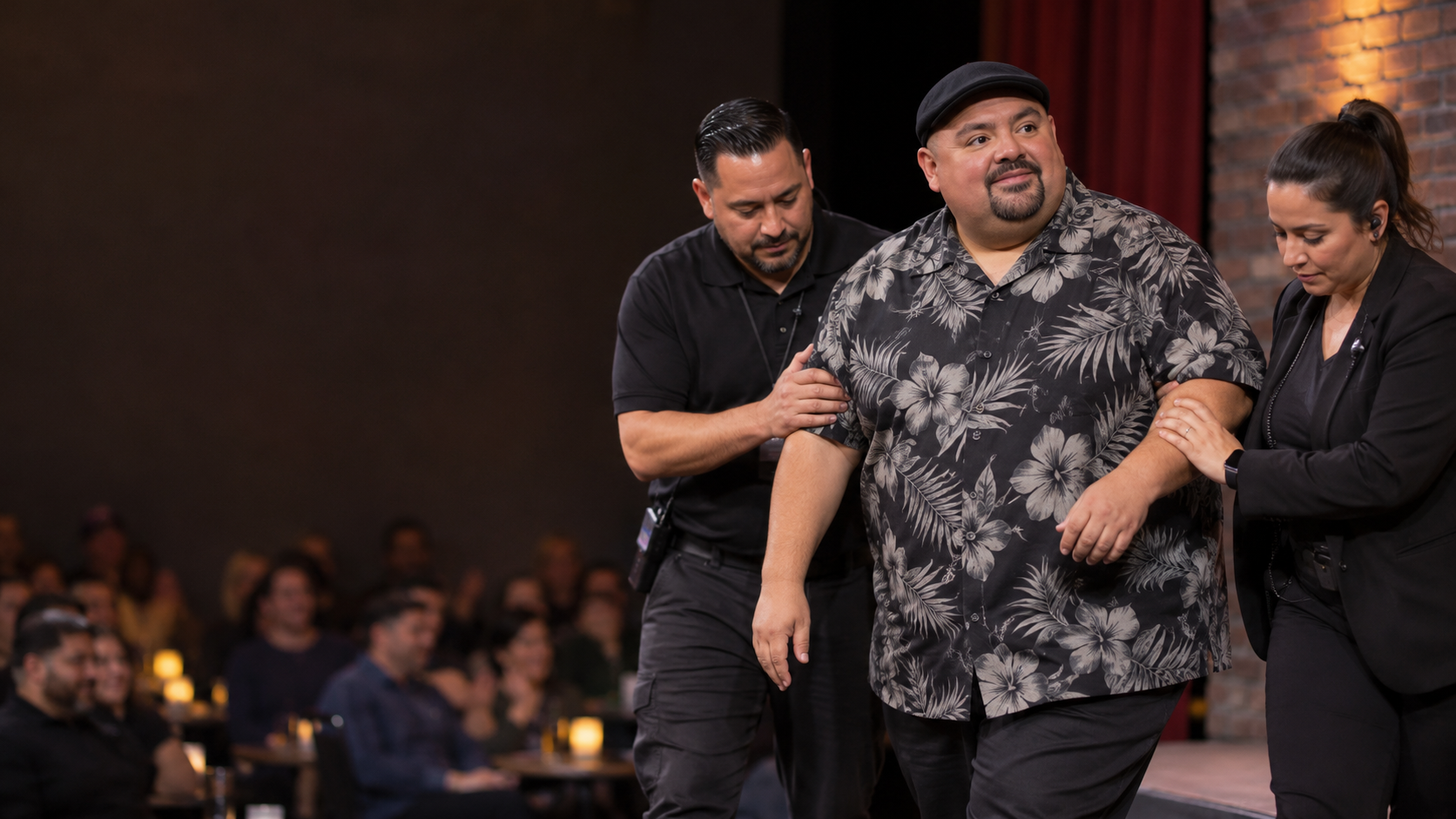 Gabriel Iglesias "Doing Fine" After Helped Offstage
-
 Ted Lasso Season 5 Renewal: What We Know
-
 Miley Cyrus, Maxx Morando Reportedly Wed in Palm Springs
-
 Steven Spielberg’s Reported Western: Cast, Title and Updates
-
 Hunger Games Box Office Resurgence Faces GTA VI Competition
-
 Don Toliver Manchester Concert Evacuated: What We Know
-
 Blade Runner 2099: Cast, Story, Timeline, and Updates
-
 Avengers: Doomsday Trailer Claims Explained
-
 Horoscope for November 23, 2026: Astrology and Tarot
-
 Miley Cyrus and Maxx Morando Wedding: What We Know